Sutton SM1 rubbish removal guide for Sutton High Street jobs
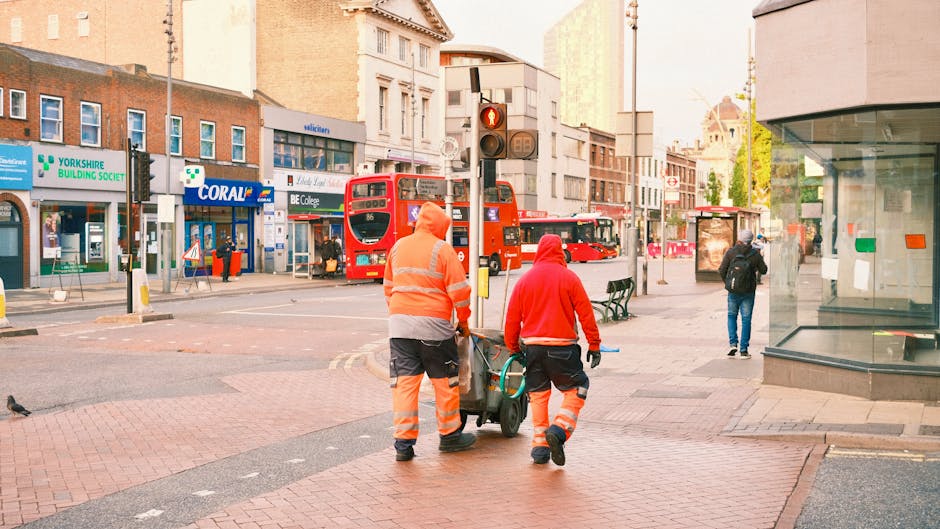
If you are planning a clear-out on or near Sutton High Street, rubbish removal can get complicated faster than you'd expect. Tight loading areas, mixed waste, awkward timings, and the simple fact that busy high street jobs rarely have much wiggle room all play a part. This Sutton SM1 rubbish removal guide for Sutton High Street jobs breaks the process down in plain English, so you can sort waste efficiently, avoid common mistakes, and choose the right removal approach for the job in front of you.
Whether you are managing a shop refit, clearing an office, dealing with builders' debris, or just trying to get a lot of bulky items shifted without upsetting neighbours or customers, the aim is the same: remove waste safely, legally, and with as little disruption as possible. Let's face it, nobody wants a pile of broken boards, old furniture, and dust sitting outside a premises when the day gets busy.
Below you'll find a practical, local-first guide covering how rubbish removal usually works in SM1, what matters on Sutton High Street, where people often go wrong, and what a sensible plan looks like from start to finish.
Quick navigation:
- Why this matters on Sutton High Street
- How the process works
- Benefits and practical advantages
- Who needs this service
- Step-by-step guidance
- Expert tips
- Common mistakes to avoid
- Tools, resources and recommendations
- Law, compliance and best practice
- Options and comparison table
- Real-world example
- Practical checklist
- Conclusion
- Frequently asked questions
Why Sutton SM1 rubbish removal guide for Sutton High Street jobs Matters
Sutton High Street is not the sort of place where waste can be handled casually. It is busy, visible, and often time-sensitive. A job that would be straightforward on a quiet residential street can become awkward when you've got pedestrians, deliveries, parked cars, and opening hours all competing for the same space.
That is why planning matters. The difference between a smooth waste collection and a stressful one is usually preparation: knowing what you are removing, how much space it will take, and how quickly it needs to be gone. Even a modest office clearance or a few heavy items from a retail unit can become a nuisance if they are left in the wrong place for too long. In the middle of a shopping day, even a small obstruction feels bigger than it is.
For Sutton SM1 jobs, the most useful mindset is simple: treat rubbish removal as part of the job, not an afterthought. If you are refurbishing a unit, clearing a flat above a shop, or handling outgoing stock and packaging, waste planning should sit alongside access, timing, and customer flow. That sounds obvious, but people still trip over it all the time.
Expert summary: On Sutton High Street, the best rubbish removal plan is usually the one that reduces handling, shortens street time, and keeps the site tidy from the moment waste starts moving. Good planning saves effort, but it also protects your schedule and your reputation.
How Sutton SM1 rubbish removal guide for Sutton High Street jobs Works
Most rubbish removal jobs in SM1 follow a similar rhythm, even if the actual waste is different. The main difference on Sutton High Street is the pace. You often need to think about access windows, loading space, lift use, and how long waste can remain outside before it becomes a problem.
In practical terms, a typical job usually looks like this:
- Assess the waste - identify what is being removed, whether it is mixed, bulky, heavy, hazardous, or simply general rubbish.
- Check access - think about stairs, narrow corridors, lift restrictions, parking, and where the collection vehicle can safely stop.
- Separate items where sensible - cardboard, metal, timber, furniture, appliances, and general waste often move more efficiently when sorted first.
- Choose the removal method - man-and-van style clearance, full property clearance, specialist item removal, or skip-related disposal if the site suits it.
- Load safely - the crew should move items without damaging walls, floors, shutters, or customer areas. That bit matters more than people think.
- Dispose responsibly - recyclable materials should be recovered where possible, while restricted items need the right handling route.
If your job involves mixed waste from a refurbishment or fit-out, it helps to think in categories rather than individual objects. Builders' debris, old fixtures, damaged shelving, and packaging often need different handling from bulky furniture or electrical items. For larger projects, builders waste clearance can be a better fit than trying to shoehorn everything into one generic collection. For business premises, business waste removal usually makes more sense when the waste is regular or recurring.
And if the job is taking place above street level, or across a flat at the back of a commercial unit, access can become the defining issue. In those cases, services like flat clearance can be more relevant than a standard ground-floor collection.
Key Benefits and Practical Advantages
The main benefit of organised rubbish removal is obvious: you get your space back. But on Sutton High Street, the real value is broader than that. It is about keeping a job moving, avoiding disruption, and making the site look controlled rather than chaotic.
Here are the practical upsides people usually notice first:
- Less disruption to trade - faster removal means less time spent with waste visible to customers.
- Cleaner, safer access - fewer trip hazards and less clutter around entrances, stairwells, and loading areas.
- Better use of labour - your team can keep working instead of spending half the day dragging bags and broken fittings around.
- More predictable timings - a planned clearance is easier to fit around deliveries, appointments, and opening hours.
- Improved recycling outcomes - separating materials early can make recovery and reuse much easier.
- Less stress - truth be told, that matters a lot when you're already juggling a refit, tenants, stock, or moving deadlines.
There is also a reputational angle. A tidy, controlled clearance on a busy high street tells staff, customers, and neighbours that the job is being handled properly. That may sound small, but it changes how a project feels. Nobody loves seeing a shopfront looking like a bomb site at 10 a.m. on a Saturday.
For bulky household items from nearby flats or mixed domestic clearances, it can be worth looking at specialist options such as furniture clearance, furniture disposal, or mattress and sofa disposal rather than treating everything as ordinary rubbish.
Who This Is For and When It Makes Sense
This guide is useful for anyone handling waste around Sutton High Street, but it is especially relevant if you are dealing with one of these situations:
- Retail shop owners clearing packaging, display units, fixtures, or end-of-line stock.
- Office managers dealing with surplus desks, chairs, filing cabinets, shredding, or relocation waste.
- Landlords and letting agents preparing a flat or commercial space for re-let.
- Builders and contractors removing rubble, timber, plasterboard, and site debris.
- Homeowners or tenants living near the high street and wanting bulky items removed without hassle.
- Cafe and hospitality operators replacing furniture or clearing out broken equipment.
It makes sense to arrange removal when waste is starting to interfere with the next stage of the job. That might mean the next delivery can't get in, the decorator is waiting for the floor to be clear, or staff are spending more time moving rubbish than doing paid work. If you notice that waste is beginning to dictate the pace of the day, you are probably late, but not too late.
For office-based jobs, it is also smart to think beyond visible waste. Sensitive paperwork, legacy files, and old records often need secure handling rather than simply going in with mixed rubbish. In those cases, confidential shredding can be a practical add-on. And if the clear-out involves desks, chairs, or cupboards, office clearance is often the cleaner route.
Step-by-Step Guidance
If you want to keep a Sutton High Street job smooth, it helps to break the process down into sensible stages. This is the part people often rush, and then pay for later. A little structure goes a long way.
1. Walk the site before anything moves
Do a proper walk-through. Look at where waste is stored, where the route out is, and where bottlenecks might happen. If there are stairs, lifts, tight corners, or a shared entrance, note them early. A five-minute walk-through can save an hour of awkward carrying.
2. Separate the main waste types
Group the rubbish into practical categories: general waste, cardboard, wood, metal, furniture, electricals, and anything potentially hazardous. This makes quotes easier, speeds up loading, and reduces the chance of mixing items that should not travel together.
3. Flag anything specialist
Not everything should be handled the same way. Fridges, freezers, some appliances, and certain renovation materials may need dedicated disposal. If your job includes an appliance, it is sensible to use a specialist route like fridge and appliance removal. For anything risky, sticky, sharp, or chemically questionable, hazardous waste disposal is the safer option.
4. Book the right timing window
For Sutton High Street, timing can matter as much as the waste itself. Early starts, quieter periods, and planned windows around deliveries are usually best. If you are moving out stock or bulky furniture, try to avoid the busiest customer hours if possible. The street is more forgiving before the rush begins.
5. Protect the route
Lay down protection where needed, especially if furniture or heavy items are being moved through polished floors, narrow hallways, or communal spaces. Minor scuffs happen quickly. Nobody means to do it, of course, but the doorframe does not care about intention.
6. Load in the right order
Put heavy, awkward items in first where practical, then fill gaps with lighter material. This reduces wasted space and limits double-handling. For mixed clearances, the order of loading can make a surprisingly big difference.
7. Confirm disposal expectations
If you care about recycling and reuse - and most people do, once they think about it properly - ask how the waste will be handled. You can also review the company's approach to recycling and sustainability so you know what happens after collection.
Expert Tips for Better Results
Some jobs are easy. Others are a bit more fiddly. The difference usually comes down to small decisions made before the removal team arrives.
- Overestimate the access challenge. If a doorway looks tight, assume it is tighter with a sofa in your hands. That way you plan properly.
- Take photos before booking. Pictures of the waste pile, stairs, loading point, and any awkward access help avoid surprises.
- Keep the collection point clear. Even a few bins, planters, or pallets in the wrong spot can slow everything down.
- Bundle similar materials together. Cardboard with cardboard, timber with timber. It is just tidier, and easier to manage.
- Ask about recycling first, not last. If you want materials reused or separated, say so upfront.
- Think about the neighbour effect. On a high street, one blocked pavement or noisy late move can create more complaints than the waste itself.
Here's a small but useful one: if the job involves old office furniture, try to identify which items are still usable before they are dragged outside. A good clearance team can often work around reuse opportunities, and that saves time later. It also just feels better, doesn't it?
If you are weighing up options for large domestic items, house clearance and home clearance can suit full-property jobs better than ad hoc removal. For outbuildings and stored junk, garage clearance or loft clearance may be more relevant.
Common Mistakes to Avoid
Most rubbish removal headaches are preventable. The same few mistakes appear again and again, especially on busy streets where people are trying to move quickly.
- Leaving the plan too late. Last-minute booking often means poor access, rushed sorting, and a messy site.
- Mixing restricted items with general waste. Appliances, chemicals, sharp items, and certain construction materials should not be bundled blindly together.
- Underestimating volume. Waste always looks smaller in the corner of a room than it does when it is all stacked at the kerb.
- Ignoring access constraints. Narrow stairwells, loading restrictions, or shared entrances can change the whole job.
- Assuming one method fits all. A shop refit, a flat clearance, and a garden tidy-up are very different jobs.
- Skipping the paperwork mindset. For businesses, it's wise to keep records of what was removed and how it was handled.
One common mistake on Sutton High Street is treating the waste pile as if the pavement is an extension of the storage room. It isn't. The street can be unforgiving, especially when footfall picks up and there is no space for hesitation. Be clear, be tidy, move it on.
Another one: people sometimes forget about heavy specialist items like old fridges or stubborn sofas until the end of the project. Then it becomes a scramble. Better to flag them early and build them into the schedule.
Tools, Resources and Recommendations
You do not need a van full of kit to manage rubbish removal well, but a few simple tools and habits make the job far easier.
- Heavy-duty bags and containers for loose waste and small fragments.
- Gloves and basic protective gear for handling sharp or dusty material.
- Labels or marker pens to identify materials quickly.
- Phone photos to document the site before and after.
- Measuring tape for checking awkward items against doorways and access points.
- Simple floor protection if items are being moved through finished interiors.
For planning purposes, a useful pair of reference pages are pricing and quotes and book online, especially if you want to compare job sizes or arrange a collection without a lot of back-and-forth. If you need to understand the wider company approach before booking, about us can help set expectations.
For property owners who regularly clear mixed items, the most practical long-term approach is usually to combine regular waste planning with a few specialist services. For example, a retail unit might use business waste removal for recurring waste, plus occasional furniture clearance when fixtures or old stock need to go. It is a simple mix, but it works.
Law, Compliance, Standards, or Best Practice
For rubbish removal in the UK, the safest approach is to assume that waste must be handled responsibly from the moment it leaves your premises. Businesses in particular should keep an eye on duty-of-care style expectations, which in plain English means you should know what your waste is, who took it, and where it went. That may sound formal, but it is really just sensible housekeeping.
Best practice usually includes:
- using a reputable waste carrier
- not mixing hazardous and non-hazardous waste without clear guidance
- keeping records for business clearances where appropriate
- separating recyclables where practical
- making sure waste does not create a hazard on the public highway
If a job involves anything potentially dangerous, chemical, or electrically risky, it is worth slowing down rather than guessing. That is especially true with fridges, freezers, and similar appliances, because they often need a more controlled disposal route. A cautious approach is not overkill; it is just good practice.
For peace of mind around operations and handling, it can also help to review pages such as health and safety policy and insurance and safety. If security or billing matters are on your mind, payment and security is also worth checking. The right details can save a lot of second-guessing later.
Options, Methods, or Comparison Table
There is no single perfect method for every Sutton High Street rubbish removal job. The best choice depends on waste type, access, time pressure, and how tidy the site needs to stay during the process.
| Method | Best for | Pros | Watch-outs |
|---|---|---|---|
| Man-and-van clearance | Mixed household or business waste, quick turnarounds | Flexible, fast, good for awkward access | Needs clear sorting and good communication |
| Specialist item removal | Appliances, mattresses, sofas, bulky one-offs | Simple for heavy or awkward single items | Some items need dedicated handling |
| Builders' clearance | Refits, refurbishments, repair work | Suited to debris and site waste | May need sorting for different material types |
| Office clearance | Desks, chairs, files, equipment | Good for structured commercial jobs | Paper records may need secure shredding |
| Skip-style approach | Sites with space and longer-duration waste accumulation | Useful when the job runs over time | Not ideal on tight high street access |
If you are unsure which route fits best, a useful rule of thumb is this: the tighter the access and the faster the turnaround, the more attractive a flexible clearance method becomes. If the job is large, structured, and ongoing, a more formal waste plan may suit better. If you want to understand skip limitations before deciding, what can go in a skip is worth a look as a comparison point.
Case Study or Real-World Example
A typical Sutton High Street scenario might look like this: a small retail unit is replacing old shelving, removing damaged stockroom items, and clearing packaging after a refit. The shop still needs to open the next morning, so the job has to happen with limited time and little room for error.
The best approach is usually to split the waste into simple piles before the team arrives. Cardboard is bundled, broken shelving is stacked safely, and reusable fixtures are separated from general rubbish. The route from the rear stockroom to the street is checked in advance, because one awkward turn in a narrow passage can slow the whole job down. The actual collection then becomes more of a controlled sweep than a scramble.
What makes that work well? Three things, really: the waste is identified early, the access is understood properly, and the removal happens before the business day gets noisy. A job like that can go from stressful to almost uneventful. Almost. There is still usually one forgotten box somewhere, tucked behind a door like it has been waiting to cause trouble.
In another example, a flat above a commercial property may need a mixture of old furniture, a mattress, and a few broken household bits removed after a move-out. In that case, a blend of flat clearance and mattress and sofa disposal can be more practical than a one-size-fits-all approach. The right method usually feels obvious once the access, weight, and item types are all on the table.
Practical Checklist
Use this before any Sutton High Street rubbish removal job. It keeps things calm, which is never a bad thing.
- Identify the waste type and rough volume.
- Check whether any items are hazardous, electrical, or specialist.
- Measure access points and note stairs, lifts, or loading restrictions.
- Decide whether the job is domestic, commercial, or mixed.
- Set a collection time that avoids the busiest part of the day where possible.
- Protect floors, corners, and entrances if items are being moved indoors.
- Separate recyclables and reusable items before loading.
- Confirm where the waste will be taken and how it will be handled.
- Keep paperwork or job notes if the clearance is business-related.
- Make sure the site is left tidy once the job is done.
Useful reminder: if you are dealing with a wider property rather than just one or two bulky items, it can be worth exploring house clearance, home clearance, or garage clearance depending on the layout. Choosing the closest-fit service nearly always makes the job feel easier.
Get a free quote today and see how much you can save.
Conclusion
A good Sutton SM1 rubbish removal plan for Sutton High Street jobs is really about three things: clear sorting, realistic access planning, and choosing the right removal method for the type of waste you have. Get those right and the rest tends to fall into place. Miss them, and even a simple job can become messy fast.
For busy high street work, the smartest approach is usually the one that keeps the site safe, minimises disruption, and handles waste properly from start to finish. That applies whether you're clearing a shop, handling office waste, removing bulky furniture, or dealing with construction debris after a fit-out.
If you take one thing from this guide, let it be this: don't wait until the waste is in the way. Plan the removal early, choose the right service, and keep the site moving. It makes the whole job feel lighter, almost immediately.
And once the clutter is gone, you notice the space differently. The room breathes a bit easier. Strange, but true.
Frequently Asked Questions
What is the best rubbish removal option for Sutton High Street jobs?
The best option depends on the waste type, access, and timing. For mixed items and tight access, a flexible clearance service is often best. For structured commercial waste, a more regular business waste arrangement may suit better.
How do I know if I need builders' waste clearance or general rubbish removal?
If the waste comes from a refurbishment, repair, or construction-style job, builders' waste clearance is usually the better fit. General rubbish removal is better for mixed household or business waste that does not need specialist sorting.
Can rubbish be removed from flats above Sutton High Street shops?
Yes, but access needs to be checked carefully. Stairs, lifts, narrow corridors, and shared entrances can all affect the process. In those situations, flat clearance is often a practical choice.
What should I do with old office furniture?
Old desks, chairs, and storage units are best grouped together before collection. If the office is being emptied fully, office clearance is usually the most efficient route. If any paperwork or records are involved, confidential shredding may also be useful.
Do I need a separate service for fridges or appliances?
Often, yes. Fridges and some appliances are better handled through a specialist route because they can require different disposal arrangements. It is safer to flag them early rather than tuck them into a general pile.
How can I reduce disruption on a busy high street?
Book the job for a quieter time, clear the route before the crew arrives, and separate waste in advance. Small preparation steps make a big difference when footfall and deliveries are involved.
Is it worth sorting waste before the collection team arrives?
Absolutely. Sorting waste first saves time, helps with recycling, and reduces the chance of items being handled incorrectly. It also makes quotes and scheduling easier because the job is clearer from the start.
What happens to recyclable waste after collection?
That depends on the items and how they are separated, but the usual aim is to recover recyclable material where practical. A company's recycling and sustainability approach can give you a better idea of how that process is managed.
Can sofa, mattress, and bulky furniture items go with general rubbish?
Sometimes they can be collected as part of a larger clearance, but they are often better handled through specialist bulky-item services. That keeps the job cleaner and reduces the chance of awkward loading issues.
What if I have hazardous items mixed in with normal rubbish?
Do not guess. Hazardous material should be identified and separated before removal. If you are unsure, treat it cautiously and ask for guidance rather than mixing it into general waste.
How far in advance should I book a Sutton SM1 rubbish removal job?
As early as you can, especially if the job involves a high street location, commercial access, or bulky waste. Early booking gives you more flexibility on timing and reduces last-minute pressure.
What is the easiest way to compare rubbish removal options?
Start with the waste type, then look at access, urgency, and whether the job is one-off or ongoing. If you are unsure, compare a dedicated clearance service with a more regular waste arrangement and choose the one that fits the site rather than forcing the job into the wrong box.
If you want to understand the company, its approach, or the practical details around booking and service expectations, you can also review about us and pricing and quotes before making a decision.
