Health & Safety Policy for Commercial Waste Removal Sutton
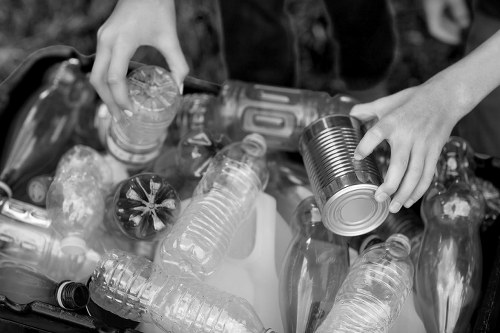 Introduction: This Health and Safety policy sets out the approach taken by our commercial waste removal operation to protect employees, contractors, clients and the public while delivering professional commercial rubbish removal in Sutton and surrounding service areas. The policy applies to all aspects of commercial waste services, including on-site collection, transfer, sorting and disposal. Our objective is to maintain a safe working environment, minimise environmental risks and ensure compliant, responsible waste handling across every contract and rubbish collection activity.
We aim to meet accepted industry standards and to exceed minimum expectations where practicable. Key principles include hazard identification, risk assessment, safe systems of work, and active training and supervision. All staff must understand that the success of any commercial waste removal operation depends on consistent adherence to safe working practices and the prompt reporting of unsafe conditions or incidents.
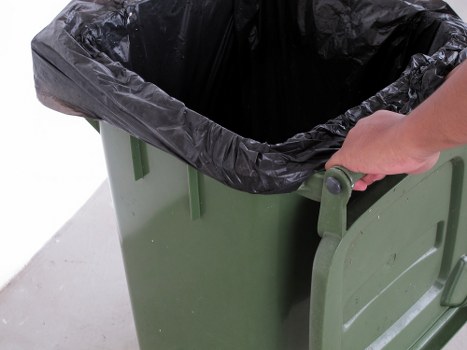 Scope: This policy covers all employees, temporary workers and sub-contractors engaged in commercial rubbish clearance, commercial waste collection and related services across our operational footprint. It applies to loading and unloading, vehicle operation, manual handling, use of tools and PPE, waste segregation, management of hazardous materials, and site-specific health and safety procedures. Managers and supervisors are responsible for ensuring that site rules are communicated and implemented for each job, including when providing skip hire collection, office clearance or construction site waste removal.
Responsibilities
Senior management will provide visible leadership and adequate resources to implement this policy. Line managers must ensure risk assessments are carried out and reviewed, that staff receive appropriate training, and that corrective actions are taken promptly. Employees are required to follow safe systems of work, use provided PPE, and report hazards, near-misses or incidents without delay. Contractors engaged for specialised commercial waste disposal must demonstrate competency and compliance before commencing work.Risk Assessment and Control Measures
Risk assessments will identify hazards commonly associated with rubbish removal services: manual handling injuries, vehicle incidents, slips and trips, exposure to sharps or hazardous substances, and fire risks. Controls include job-specific method statements, mechanical aids for lifting, safe loading limits, vehicle checks, segregation of hazardous waste, and lock-out/tag-out procedures when servicing equipment. We employ a hierarchy of controls — eliminate, substitute, engineer, administrate and PPE — to reduce risk where possible.Training and competence are fundamental to safe operations. All operatives involved in commercial waste services must complete induction training and periodic refresher training on manual handling, safe driving, hazardous waste handling and incident reporting. Training records will be maintained, and performance monitored through regular toolbox talks and supervised on-site assessments.
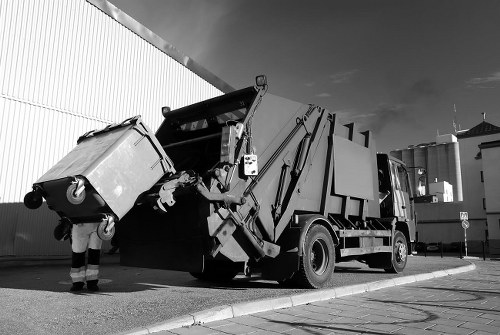
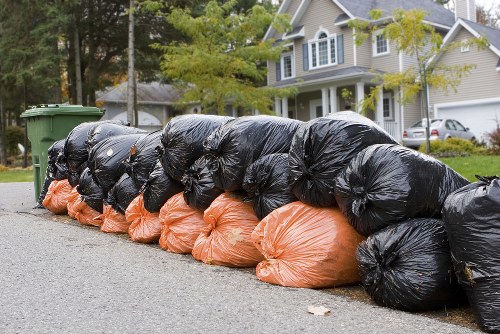 Safe Working Procedures: Clear procedures are in place for routine tasks such as bin collection, container lifting, compacting and site clearance. These procedures set out steps for pre-shift vehicle checks, traffic management during collections, secure loading practices and emergency response. Staff must verify load stability, use high-visibility clothing during nighttime or high-traffic work, and maintain communication with colleagues and site managers. For hazardous waste, written procedures and appropriate documentation will accompany the load at all stages.
Incident Reporting and Investigation: All accidents, near misses and environmental releases must be reported immediately and investigated to identify root causes and corrective actions. Records of incidents, findings and remedial measures will be kept and reviewed to prevent recurrence. We encourage a no-blame culture focused on learning and improvement, with disciplinary measures reserved for deliberate violations of safety rules.
Personal Protective Equipment and Health Surveillance: Appropriate PPE — gloves, safety footwear, high-visibility clothing, eye protection and respiratory protection where necessary — will be supplied and maintained. For tasks with specific risks, such as asbestos-contaminated material or clinical waste, additional controls and health surveillance will be implemented in line with occupational health advice.
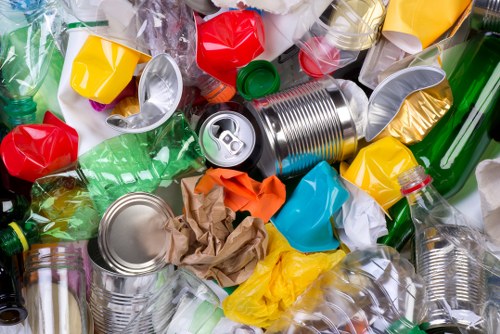 Environmental Controls and Waste Segregation: Effective segregation and containment of waste reduces health and safety hazards and supports lawful disposal. Procedures ensure that recyclables, hazardous materials, electronic waste and general refuse are separated at source or handled under controlled conditions. Spill kits, secondary containment and appropriate transport documentation are used for potentially polluting loads, and routes and transfer procedures are planned to minimise public exposure during commercial waste removal work.
 Monitoring, Review and Continuous Improvement: The policy will be reviewed at regular intervals and following any significant incident, legislative change or operational development. Performance indicators such as incident rates, near-miss reports, training completion and audit findings will be monitored and acted upon. Continuous improvement initiatives will be driven through regular safety meetings, audits and engagement with the workforce to refine procedures and strengthen workplace safety.
By committing to these principles, our commercial rubbish removal teams deliver reliable, safe and responsible waste services. Everyone involved in commercial waste operations must play their part: follow procedures, wear required PPE, and communicate concerns. This policy is supported by operational procedures, risk assessments and training programmes designed to protect people, property and the environment while maintaining high standards of service delivery across our service area.